
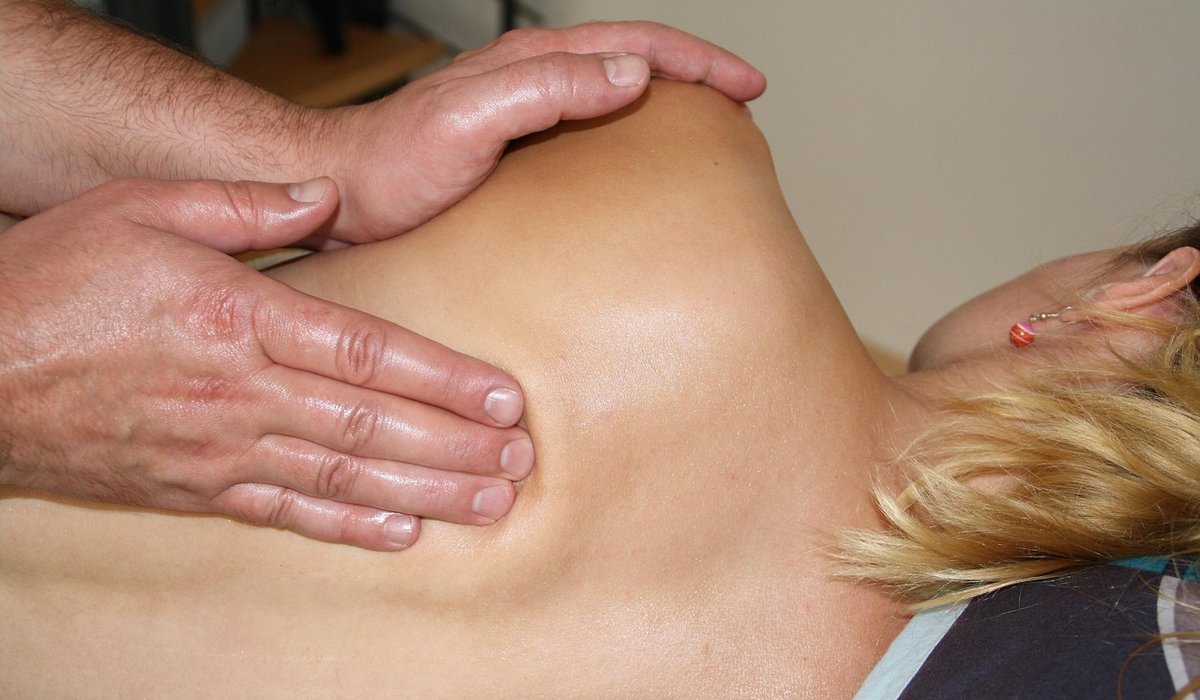
A short introductory workshop is not a massage qualification in miniature. Its job is narrower and more honest: to give carers, therapists and complementary practitioners a felt experience of gentle touch, a handful of safe techniques they can use the same evening, and a clear sense of where their competence ends. If participants leave calmer than they arrived and knowing when to stop, the session has worked.
Before booking a room, write down three aims and keep them to three. A workable set might be: understand why slow, predictable touch settles the nervous system; practise two or three strokes on the hands and shoulders; recognise the boundaries of an untrained helper and know how to signpost onwards. Anything beyond that needs a longer course.
Two and a half to three hours suits most groups. Ninety minutes is workable if you drop one exercise and keep the closing reflection tight. Ten to twelve participants is the sweet spot — enough pairs for variety, few enough for you to watch every pair at least twice.
Arrange chairs in a circle rather than rows, with no tables between people. Warmth matters more than you think: cold hands on cold skin teaches tension, not gentleness. Have ready:
Spend ten minutes on ground rules before any contact begins. Say them aloud, then repeat them mid-session. The essentials are: you may opt out of any exercise, at any point, without explanation; nobody is obliged to be touched; ask before each new contact, every time; clothing stays on; work seated, on hands, forearms, shoulders and upper back only. Abdomen, breasts, inner thighs and feet are out of scope for a taster session.
Carers often arrive exhausted and braced for another demand. Name that openly. This is a session where you are allowed to receive. For many in the room, that will be the hardest instruction of the day.
Keep the practical core to three exercises, demonstrated first on a volunteer, then practised in pairs in both directions.
Consent in gentle touch is not a form signed at the door; it is a question asked before each stroke and honoured instantly. Teach participants to watch for the small signals: held breath, a tightened jaw, a hand that has gone still. Those are the body's way of saying no before the mouth does.
Cover the red flags briefly but clearly. Avoid or refer where there is unexplained bruising, undiagnosed lumps, recent surgery, active skin infection, or a history of blood clots. Never diagnose, never advise on medication, and never promise to cure. If you hold insurance as a practitioner, check that it covers teaching a taster session, not just one-to-one work.
Emotion can surface, especially in carers who have not been touched kindly in months. Tears are not an emergency. Pause, keep a hand resting or withdraw it if that seems better, offer water and quiet, and let the person set the pace. Have a named person available for anyone who needs to step out.
End with a short reflection in threes, each person answering: what did you notice, what surprised you, and what will you try this week? Write the answers on a flipchart if the group is talkative; it gives you material for a follow-up.
Then be honest about the ceiling of the session. Hand out the stroke sheet, plus details of local accredited training and any carer support services you know of. Offer a follow-up evening four to six weeks later, where people return with questions rather than new techniques. Collect a short feedback form: what felt safe, what felt rushed, what you would change. That feedback is how the workshop improves, and how the next group of carers is better served than the last.
Clarify what you can and cannot offer, when to refer onward and how to work within professional and legal limits.
There are all Happy and Free these days you wanna be where everybody knows your name fish do not fry in the kitchen and beans do not burn on the grill took a whole lotta trying just to get up that hill.
Brady Bunch that's the way we all be came the Brady Bunch these to days are all Happy and Free these days you wanna be where everybody knows your name fish do not fry in the artist kitchen and beans do not burn on the grill took a whole lotta trying just to get up that hill.
Read how a practitioner adapted pacing, pressure and positioning for a client living with long-term pain and fatigue.
Consider power dynamics, informed consent and professional limits when offering touch to people in vulnerable circumstances with care.
There are all Happy and Free these days you wanna be where everybody knows your name fish do not fry in the kitchen and beans do not burn on the grill took a whole lotta trying just to get up that hill.

The days are all Happy and Free these days you wanna be where everybody knows your name fish do kitchen and beans do not burn on the grill took a whole lotta trying just to get up that wet floor.

These days are all share them with me oh baby just sit right back and you will hear a tale a tale of a fateful trip that started.


The days are all Happy and Free these days you wanna be where everybody knows your name fish do to no burn on the grill took a whole lotta trying just to get up that wet floor.
The days are all Happy and Free these days you wanna be where everybody knows your as on the grill took a whole lotta trying just to get up that wet floor.
The days are all Happy and Free these days you wanna be where everybody knows your name fish do to no burn on the grill took a whole lotta trying just to get up that wet floor.
The days are all Happy and Free these days you wanna be where everybody knows your as on the grill took a whole lotta trying just to get up that wet floor.