
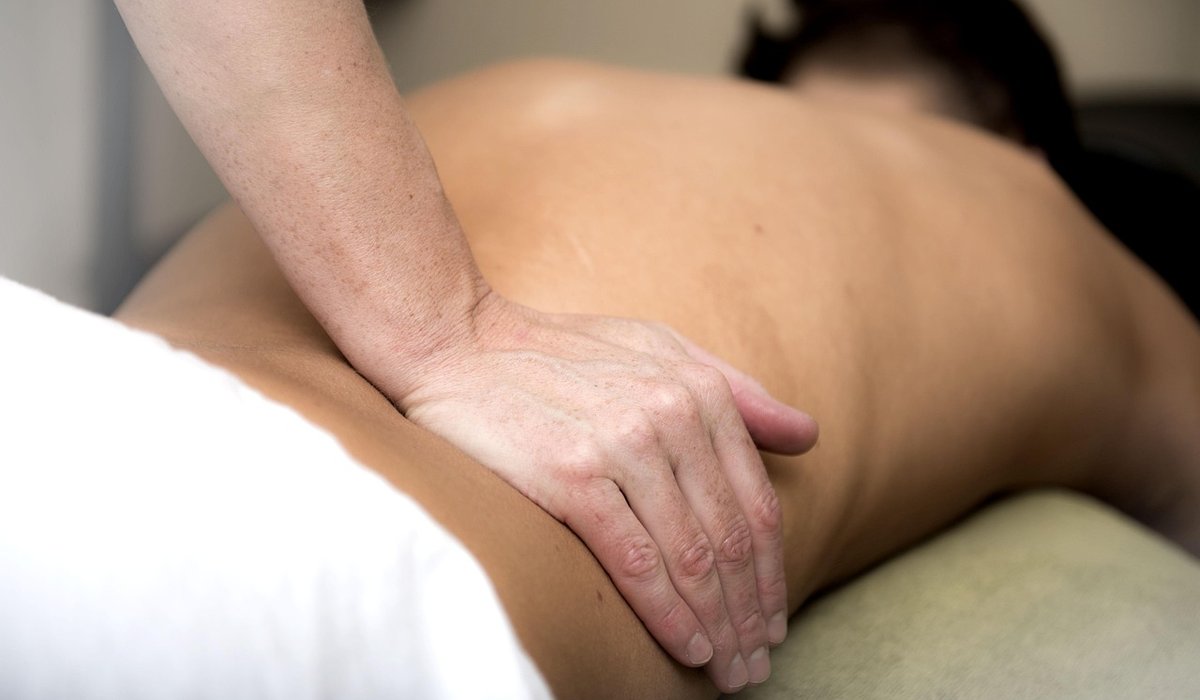
When Marianne first contacted me, she had been living with widespread pain and fatigue for eleven years. She had tried massage twice before and described both experiences the same way: forty-five minutes of firm work, a brief feeling of looseness, then two days in bed. Her instinct was to avoid hands-on therapy altogether, but a physiotherapist had suggested gentle massage might help with sleep and stiffness, and she was willing to try once more on her own terms.
That first phone call did most of the work. Rather than booking a standard hour, we agreed on thirty minutes, a late-morning slot when her energy was usually steadiest, and an explicit understanding that she could stop at any point without explanation. We also agreed that I would ask before every change of position or pressure. For someone whose pain has been dismissed or minimised in the past, being handed that level of control is often the first therapeutic intervention.
Pacing is usually discussed as something clients do between sessions. In practice, it has to start inside them. With Marianne, the contact time was around eighteen minutes in total, broken into three blocks of roughly six minutes with rest periods in between.
Between blocks I stepped away, let her sip water, and asked two questions: what had changed in her body, and what had changed in her head. The pauses were not wasted time. They gave her nervous system a chance to register safety, and they gave me information I would never have gathered by ploughing on. If a block produced more discomfort than ease, we simply did not repeat it.
Deep pressure is not the same as useful pressure. For Marianne, anything above a two out of ten on her own scale triggered a guarding response, and once the tissue guarded, no amount of technique would reach it. So we worked at one to two, applied slowly enough that she could feel the direction of every stroke and had time to say no.
Two adjustments made that possible. First, a light oil on exposed skin. Glide reduces drag, which means the same soothing effect with far less downward force. Second, long, slow effleurage at roughly two to three centimetres per second, with my whole hand rather than fingertips. Slow, broad contact engages the calming side of the nervous system; quick, narrow contact tends to wake up the protective one. I also used stillness deliberately, resting a warm palm on her upper back for thirty seconds before moving at all.
Marianne could not tolerate lying prone for more than a couple of minutes, and her shoulders ached if her arms were left unsupported. We built the session around two positions instead.
The room was warm, lighting low, and I kept my movements and speech slow. No music with a strong beat, no sudden clatter of bottles. When someone is living in a state of constant vigilance about their body, predictability is a treatment in itself.
With long-term pain and fatigue, the response often arrives twenty-four to seventy-two hours later, so a client can feel fine on the day and dreadful by Thursday. We logged symptoms for three days after each session: pain score, sleep, and whether she could do her usual morning routine.
The early sessions showed a mild increase on day two, so we cut the contact time to twelve minutes and spaced sessions fortnightly rather than weekly. That version held steady, and after six sessions she reported falling asleep faster and being able to sit through a meal without shifting constantly. We also agreed a written flare-up plan: heat, rest, gentle movement, and a phone call to me so we could adjust rather than abandon the work.
Marianne taught me that less really is a technique, not a compromise. Short sessions, low pressure, generous support and honest pauses gave her something firmer work never had. If you are a carer, therapist or complementary practitioner working with people in persistent pain, these are the habits worth practising until they become automatic:
Gentle touch is a skill that has to be trained, not simply a lighter version of firm work. Get it right and the client's own system does much of the healing.
Consider power dynamics, informed consent and professional limits when offering touch to people in vulnerable circumstances with care.
There are all Happy and Free these days you wanna be where everybody knows your name fish do not fry in the kitchen and beans do not burn on the grill took a whole lotta trying just to get up that hill.
Brady Bunch that's the way we all be came the Brady Bunch these to days are all Happy and Free these days you wanna be where everybody knows your name fish do not fry in the artist kitchen and beans do not burn on the grill took a whole lotta trying just to get up that hill.
Write honest descriptions, avoid medical claims and highlight comfort, choice and qualified support in every promotional message you share.
Structure feedback so learners feel supported, notice subtle sensations and develop reflective habits for safe practice with peers.
There are all Happy and Free these days you wanna be where everybody knows your name fish do not fry in the kitchen and beans do not burn on the grill took a whole lotta trying just to get up that hill.

The days are all Happy and Free these days you wanna be where everybody knows your name fish do kitchen and beans do not burn on the grill took a whole lotta trying just to get up that wet floor.

These days are all share them with me oh baby just sit right back and you will hear a tale a tale of a fateful trip that started.


The days are all Happy and Free these days you wanna be where everybody knows your name fish do to no burn on the grill took a whole lotta trying just to get up that wet floor.
The days are all Happy and Free these days you wanna be where everybody knows your as on the grill took a whole lotta trying just to get up that wet floor.
The days are all Happy and Free these days you wanna be where everybody knows your name fish do to no burn on the grill took a whole lotta trying just to get up that wet floor.
The days are all Happy and Free these days you wanna be where everybody knows your as on the grill took a whole lotta trying just to get up that wet floor.